Seeing a dark stain on your ceiling or moss creeping across your shingles can make any Bellingham homeowner nervous. You know our rain, wind, and tree cover are tough on roofs, and you might be wondering if you are one storm away from a leak or an expensive surprise. A roof inspection sounds like the logical next step, but it can also raise a whole new list of questions.
You are not alone. Homeowners across Bellingham, Mount Vernon, and the rest of Skagit and Whatcom Counties ask us the same roof inspection questions every week. How often do I need one here. What do inspectors actually look at. Does an inspection always turn into a sales pitch for a new roof. Clear, straightforward answers can make the difference between putting this off and tackling it with confidence.
At Skagit Roofing LLC, we have been working on residential roofs in this region since 1990, and our team has helped more than 7,500 local homeowners protect their homes. We know how Bellingham’s weather and housing stock affect roof condition, and we know what a thorough inspection should include. In this FAQ, we will walk through the most common roof inspection questions Bellingham homeowners ask and share what we have learned from decades on local roofs.
Why Bellingham Homeowners Ask So Many Roof Inspection Questions
Living in Bellingham means living with a lot of moisture. Heavy rain, dense tree cover, and long stretches of damp, cool weather create conditions for moss and algae, clogged gutters, and slow-developing roof problems. Many of the issues that eventually cause leaks build up quietly over years, so by the time something shows up on a ceiling, the problem has often been at work for a while. That uncertainty naturally leads to questions about when to call a roofer and what an inspection will actually uncover.
We also see a wide range of roof ages and installation quality across Bellingham and the surrounding counties. Some homes still have original asphalt shingle roofs from decades ago, while others have had partial repairs or second layers installed over older materials. This mix makes it hard for a homeowner to judge condition just by glancing up from the driveway. An inspection turns those vague concerns about “old shingles” into clear information about how much life is left and where the weak points are.
Since 1990, we have inspected and replaced roofs in neighborhoods from central Bellingham to rural Skagit County, and we have noticed the same questions come up again and again. Homeowners want to know if an inspection is worth it before anything is visibly wrong, and they want reassurance that the person on their roof understands local conditions, not just generic roofing theory. That is why our team puts focus on explaining what we see, not just calling out problems, and on tailoring our inspection advice to the realities of Bellingham’s climate.
What Exactly Happens During a Roof Inspection in Bellingham?
A proper roof inspection is much more than a quick look from the sidewalk. When we arrive at a home, we usually start with a short conversation about what you have noticed. Maybe you have seen a stain on a bedroom ceiling, a spot where moss seems to grow faster, or shingle pieces in the yard after a storm. That information helps us focus on likely trouble spots while still reviewing the entire system.
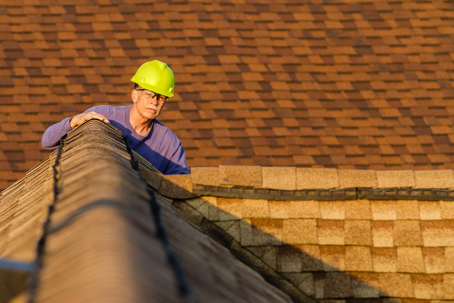
Next, we walk the exterior of your home from the ground, looking at the roof from all sides. From this angle, we can pick up signs like uneven shingle lines, sagging areas, heavy moss, or gutters that are pulling away. When conditions and roof pitch allow, we then get up on the roof. This is where a lot of the real inspection work happens, because many issues are simply not visible from the ground, especially on higher or steeper sections.
On the roof, we check the surface of the shingles for cracking, curling, granule loss, and lifted or missing pieces. We pay close attention to flashing, which is the metal used around chimneys, skylights, vents, and where the roof meets walls. Flashing is a common leak source in our wet climate. We also look at roof penetrations, such as pipe boots and vent stacks, to see whether seals are still tight or starting to crack. Valleys where two roof planes meet get special attention, since they carry a lot of water and debris.
If we can access the attic safely, we inspect the underside of the roof decking and the insulation. Small water stains, rusted nail tips, or signs of mold growth inside the attic often show up before interior ceilings are damaged. We also look at ventilation, checking for adequate intake at the eaves and exhaust at the ridge or roof vents. Poor ventilation can trap moisture and heat, which speeds up shingle aging in a damp climate like Bellingham’s.
How Often Should You Schedule a Roof Inspection in Bellingham?
One of the most common roof inspection questions Bellingham homeowners ask is how often they should have their roof checked. The answer depends on roof age, material, and exposure, but our climate usually means more frequent attention than in drier parts of the country. As a general starting point, many asphalt shingle roofs benefit from a professional inspection every two to three years, with more frequent checks as the roof gets older.
If your roof is relatively new and was properly installed, you might not need an inspection every year. However, once a roof reaches the 10 to 15 year range in Bellingham’s weather, we often start to see early signs of aging like granule loss, minor curling, and more frequent moss growth. Around this stage, a regular inspection schedule can catch issues early, such as localized flashing problems or small areas of damaged shingles, long before they turn into leaks.
There are also specific events that can trigger an inspection, regardless of roof age. After a strong windstorm that sends branches or debris across roofs in Bellingham or Whatcom County, we often find lifted shingles, damage around ridges, or clogged valleys. If you notice an unusually heavy moss bloom on one side of your roof, or if your gutters overflow frequently, it is smart to have those areas checked. Buying or selling a home is another key time to schedule an inspection, since roof condition can affect sale price, insurance, and your long-term budget.
Because we have watched many local roofs age through our wet winters and occasional snow, we can give guidance based on patterns we see every year. That said, inspection timing is not a one-size-fits-all rule. Exposure to trees, roof pitch, previous maintenance, and installation quality all affect how quickly a roof shows wear. If you are unsure where your home falls on that spectrum, a conversation with a roofer who knows Bellingham’s neighborhoods can help you set a sensible inspection schedule.
What Roof Issues Are Common In Bellingham’s Climate?
Bellingham’s weather creates a specific set of roof problems that we have learned to watch for. Prolonged rain, frequent overcast days, and cool temperatures mean many roofs stay damp for long stretches. Over time, that constant moisture can work its way under compromised shingles or flashing and into the roof deck. We often see soft spots develop around valleys or low areas where water naturally slows down and where debris tends to collect.
Moss and algae are a big part of the story here. On north-facing slopes or under overhanging trees, we regularly find thick moss mats that act like a sponge, holding water against shingles. As moss grows, it can lift shingle edges and create tiny gaps where water can run underneath. During an inspection, we pay close attention to these areas, because the damage underneath the moss is often worse than it looks from the ground.
Tree debris is another common issue in Bellingham and across Skagit and Whatcom Counties. Needles and leaves accumulate in gutters, behind chimneys, and in roof valleys. If this material is not cleared, it traps water and can speed up deterioration of shingles and underlayment. During inspections, we often find early signs of rot in these spots, even when the rest of the roof is in relatively good shape.
Our climate also makes good ventilation important. In winter, warm, moist indoor air can move into the attic, where it condenses on the cooler underside of the roof deck. Without proper intake and exhaust, that moisture lingers and can lead to mold or premature wood decay. In summer, poor ventilation allows heat to build up, which can bake the shingles from underneath. When we inspect, we look at vent placement and attic conditions because they give us a good picture of how the roof is likely to age in Bellingham’s mix of damp winters and mild summers.
After decades of inspecting and replacing roofs in this region, we have seen these patterns repeat across many different neighborhoods and home ages. That experience lets us focus on the highest risk areas during an inspection and give you realistic advice on which issues are urgent and which can be monitored over time.
Do You Always Need Repairs Or a New Roof After an Inspection?
Many homeowners hesitate to schedule an inspection because they worry it will automatically lead to a hard sell on a new roof. In reality, there is a wide range of possible outcomes, and not every inspection turns into a major project. Sometimes we confirm that a roof is performing well, with only minor maintenance recommendations like gutter cleaning or moss control. Other times, we find localized problems that can be addressed with targeted repairs.
When we do find issues, we look at several factors before suggesting repair or replacement. Roof age is one factor. If an older roof has extensive wear, repeated repairs in different areas, or widespread granule loss, it may be more cost effective to start planning for replacement rather than continuing patchwork fixes. On a younger roof with otherwise solid materials and structure, fixing specific problems, such as replacing failed flashing or repairing a small damaged area, can often extend service life at a lower cost.
The extent and location of damage also matter. A small leak from a cracked pipe boot on an otherwise healthy roof is usually a good candidate for repair. On the other hand, if we find soft decking in multiple areas, repeated leaks at different points, or installation issues that affect the entire system, it may be a sign that the roof is nearing the end of its useful life. During an inspection,We can photograph or describe what we see so you can understand why we recommend one approach over another.
At Skagit Roofing LLC, we are committed to integrity and transparency. We provide free estimates and take the time to explain your options in plain language. Our goal is not to push every homeowner into a new roof, but to match our recommendation to what we actually see and to your priorities for budget, timing, and long-term plans for the home. Sometimes that means scheduling a repair, sometimes planning for replacement in a few years, and sometimes just setting a reminder to inspect again down the road.
What Should You Ask and Do Before, During, and After a Roof Inspection?
A little preparation and a few good questions can make your roof inspection much more useful. Before you schedule, ask the roofer whether they typically walk the roof when it is safe, whether they inspect the attic if there is access, and whether you can expect photos or a written summary afterward. These questions help you understand how thorough the inspection will be and how clearly the findings will be communicated.
Before the visit, make a simple list of anything you have noticed. Include ceiling stains, damp smells, areas where moss seems worst, or spots where you have seen debris collect. If there is an accessible attic hatch, clear the area below it so the inspector can get in without moving belongings. Having this information ready saves time and helps focus attention on areas that may not be obvious from the outside.
During or after the inspection, ask the roofer to walk you through what they saw in everyday language. It is reasonable to ask which issues are urgent, which are maintenance items, and what kind of timeline you are looking at for any larger work they are recommending. If you are shown photos, have them point out where on the roof each image was taken so you can connect the picture to a real location on your home.
Once you have the results, use them to plan practical next steps. That might mean scheduling a repair, budgeting for replacement in a few years, or simply adding a reminder to have the roof checked again at a certain time. If a recommendation does not feel clear, or if the scope of work seems out of line with what you expected, getting a second opinion is always an option. Our team regularly takes time to answer follow-up questions, because an inspection only delivers value if you understand what it means and feel confident about your plan.
How Much Does a Roof Inspection Cost in Bellingham?
Cost is another common question, and it is understandable to want a sense of what to expect before you call. In our area, many homeowners are looking for an inspection because they suspect a problem or are considering repair or replacement. In those situations, we typically provide free estimates, which include evaluating the roof and discussing options for addressing any issues we find. For more formal, documented inspections tied to real estate transactions or specific insurance requests, a more detailed, paid inspection may be appropriate.
Several factors influence the cost and scope of an inspection. Roof size, pitch, and accessibility all play a role, since a large, steep roof usually takes more time to inspect safely. Whether an attic inspection is needed, and whether you require a written report with photos, can also affect pricing. Rather than quoting flat numbers that may not fit your situation, we focus on explaining what is included so you know what you are paying for.
The value of an inspection lies in what it can prevent. Catching a small flashing issue or early rot near a valley is almost always less expensive to address than repairing structural damage and interior finishes after a leak has spread. For homeowners planning to sell, a documented roof inspection can also help avoid last minute surprises during buyer inspections. At Skagit Roofing LLC, we keep projects on budget and on schedule by being clear about scope from the start, so there are fewer surprises after work begins.
Get Clear Answers to Your Roof Inspection Questions in Bellingham
A roof inspection takes the guesswork out of one of the most important systems protecting your home. In Bellingham’s wet, moss prone climate, having a trained eye check shingles, flashing, gutters, and the attic can reveal small issues before they turn into major repairs. It can also give you peace of mind when everything looks good and you simply want confirmation that your roof is holding up as it should.
If you have noticed any of the warning signs described here, if your roof is reaching that 10 to 20 year mark, or if you are preparing to sell or buy a home, this is a good time to schedule an inspection or free estimate. Our team at Skagit Roofing LLC has been working on residential roofs in Bellingham, Skagit, Whatcom, and Northern Snohomish Counties since 1990, and we are ready to answer your roof inspection questions and help you plan next steps that fit your home and budget.
Call (360) 329-9918 to talk with our team and schedule your roof inspection.